


Pen to Paper: How We Can Help Address Your Child’s Writing Challenges
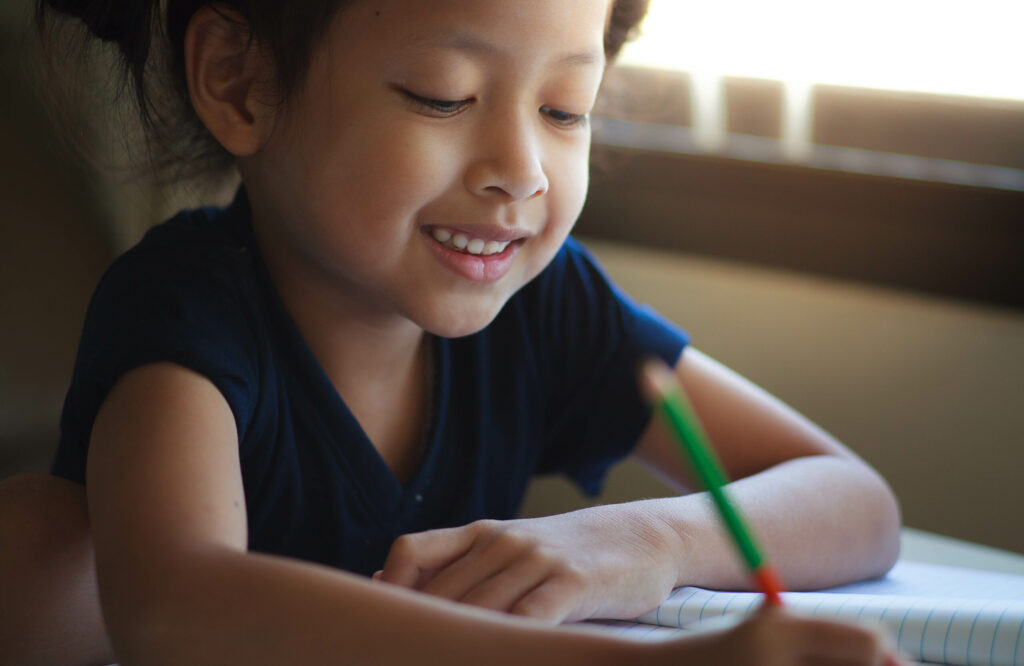
Does your child struggle in their writing, reading, or English classes? If so, they may have some form of written language disorder, which impacts a child’s ability to communicate via the written word. As with spoken language disorders, writing challenges can manifest in several ways–and Skills on the Hill is here to help your child navigate all of them!
Take a moment to think about all the things you read and write throughout the day: texts, emails, grocery lists, social media posts, news articles, this blog post… the list goes on, and it encompasses far more than entertainment. In fact, the proliferation of the Internet ensures that reading and writing are crucial skills in modern society.
That’s why it’s so important to have a professional address your child’s writing challenges. Our team of Washington, DC and Arlington, VA -based pediatric therapists can pinpoint your child’s exact areas of impairment and provide personalized treatment to help them where they need it most. And we do it all in a fun, friendly environment that doesn’t feel anything like going to the doctor.
Don’t let your child’s writing challenges go unaddressed. Request an appointment with Skills on the Hill today!
Understanding Written Language Disorders
The phrase “written language disorders” is an umbrella term that refers to impairments in written communication, including the following:
- Recognizing and recording words
- Reading comprehension
- Written spelling
- Written expression
It’s important to note that written language disorders don’t include motor disorders that impact writing, such as poor handwriting or fine motor skills. Written communication caused by physical challenges is called “dysgraphia.”
While pediatric physical or occupational therapists generally treat dysgraphia, written language disorders are treated by pediatric speech therapists, who seek to address the underlying communication disorder.
Not sure if your child has a written language disorder? Here are some of the signs and symptoms to watch out for:
- Difficulty with phonics (connecting sounds to letters)
- Doesn’t understand the difference between drawing and writing
- Poor performance on reading comprehension tests
- Poor performance on written spelling tests
- Struggles with writing conventions
However, this is not an exhaustive list, and some signs and symptoms of written communication disorders can stem from cultural differences. If you suspect your child has writing challenges, schedule an appointment with our therapists. We can assess them and let you know for sure.
How Skills on the Hill Can Help Your Child Thrive
The first thing we’ll do when you visit us is conduct an extremely comprehensive evaluation that will confirm your child’s writing challenges and let us know the specific areas where they need help. We’ll…
- Take a complete health history, including development milestones
- Conduct a hearing screening to rule out hearing difficulties as a cause
- Assess your child in multiple areas, including phonological processing, literacy, spelling, and writing
- Consider cultural and environmental factors and the ways they might impact your child’s language development
Using the results of our assessments, we’ll create a treatment plan customized to your child’s unique needs. What this looks like will vary wildly from child to child, and we generally use multiple approaches to ensure your child’s treatment is well-rounded.
Here are some examples of what we might include:
- To Improve Reading Skills: To make things easier, we’ll break your child’s therapy into smaller goals so they don’t get overwhelmed. So, for example, we might spend a few sessions exploring grammar, a few sessions playing with vocabulary flashcards, and a few sessions reading stories your child enjoys and asking them to engage deeply with the text through storytelling and conversation.
- To Improve Writing Skills: Children with written language disorders often struggle with the organizational aspects of writing. We might use visuals and graphic organizers to help them organize their thoughts in a way that works for them and then show them how to transfer them to a written format.
- To Improve Spelling Skills: Finally, spelling difficulties are often a major part of written language disorders. We might guide your child through fun phonics and memorization activities to help improve their spelling skills.
Give Your Child the Gift of Language!
From excelling in school to landing their first job, your child will need reading and writing skills as they navigate the world. Pediatric therapy at Skills on the Hill can equip them with those skills in a friendly, welcoming environment.
Schedule an initial appointment with us today to get started!
Sources:
https://www.asha.org/practice-portal/clinical-topics/written-language-disorders/#collapse_6 https://speechtherapytalk.com/reading-and-writing-disorders/reading-and-writing-therapy/