

Sensory processing is the ability to take in, interpret, and organize sensory information in order to respond appropriately. All of us rely on our sensory systems to navigate life.
Most people take for granted how important touch, movement, vision, hearing, smell, and taste influence our ability to live. We all are “sensory beings” and we develop our own strategies for tolerating, processing, or using sensory stimulation to function, learn, and exist.
Children with sensory processing disorder (also called sensory-processing dysfunction, sensory integration disorder, sensory integration dysfunction, and sensory modulation disorder) may have challenges with properly processing or appropriately responding to sensations from the outside world and also from within their bodies and may have difficulty with ordinary daily tasks that are part of childhood.
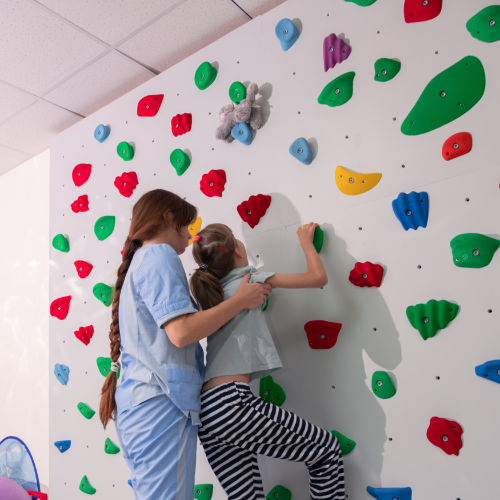
Our nervous systems take in and process all we see, hear, touch, taste, smell, and how our bodies move. When that information is not processed correctly, we might not be able to attend, maintain a calm state of arousal, or move efficiently. We might perceive a sensation as being too intense, unnoticeable, or confusing. Sensory information coming into our joints and muscles might be disorganized and cause us to appear uncoordinated or lack body awareness.
When a child has difficulties with sensory processing, we may hear the following:
- “My child has tantrums related to wearing certain clothes”
- “Going to the grocery store or other places is overwhelming for my child”
- “My child avoids movement activities or need lots of modeling and practice to learn to coordinate body movements”
- “My child is such a picky eater that mealtimes are stressful and your child will not eat at restaurants”
- “My child uses too much force or not enough force when handling objects”
- “My child needs to touch everything and everyone and does not understand personal space”
- “My child has a lot of difficulty with adjusting his or her activity level across settings”
If you answered yes to any of the above questions, it is possible that your child might be experiencing challenges with sensory processing.
What is sensory integration therapy?
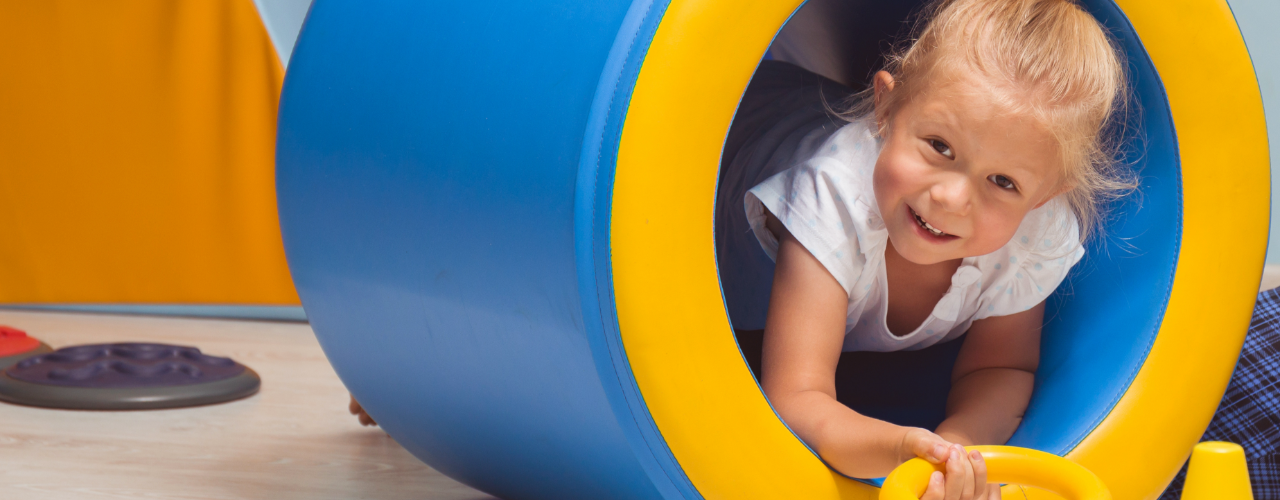
Sensory integration therapy is a specialty area of practice within the field of occupational therapy. It involves the use of specialized equipment and sensory-rich activities to help a child improve his/her ability to take in, make sense of, and respond appropriately to input. At therapy clinics that use the sensory integrative treatment approach, you will see equipment that provides vestibular, proprioceptive, and tactile stimulation. What does that mean? See the below descriptions!
Vestibular System
This is the system that helps us understand how we are moving in space. Receptors in the inner ear tell us if we are moving up and down, in a linear direction, or spinning.
Proprioceptive System
This system allows us to sense where our body parts are when we are moving. Receptors in the muscles, tendons, and joints sense changes in movement and position of our joints.
Tactile System
This system allows us to perceive touch including pain and temperature as well as vibration and textures of objects. The receptors are located in our skin.
What does sensory integration therapy look like?
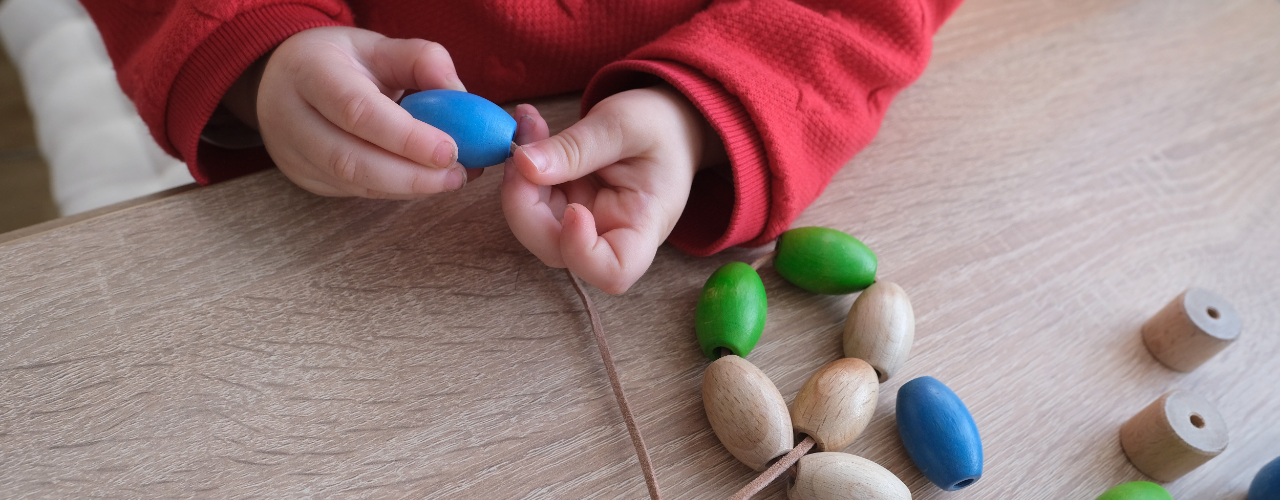
To the untrained eye, sensory integration therapy tends to look like play. But don’t be fooled! There is an important reason behind the selection of equipment made by the therapist or the child, the sequence in which tasks are set up and performed, and the level of challenge required.
Sensory Integration therapy is meant to be “child-directed” or “child-centered”. Whenever possible, the therapist includes activities that are motivating and interesting to the child so that he/she will want to engage. Also, the challenge of a therapy task is gradually decreased or increased depending on the child’s response, ability level, or rate of success. This way, the child thinks it is all play!
If you suspect that your child might be experiencing sensory processing issues, Skills on the Hill is here to help. Our staff is highly trained in providing sensory integration therapy and we can help make life more comfortable or successful for your child. Be sure to contact us today to learn more!
Choose The Next Step For Your Child’s Path Forward
In-Person Screening And Consults
Not Sure If Pediatric Therapy Is Right For You?
Experience How We Can Help with In-person Screenings and Consultations.
Schedule Your Screening!Online Developmental Checklist
Concerned About Your Child’s Development?
Complete our online Developmental Milestone Checklist to learn whether your child is on track or may need extra support.
Get Answers Now!