


How Pediatric Therapy Can Address Balance and Gait Disorders
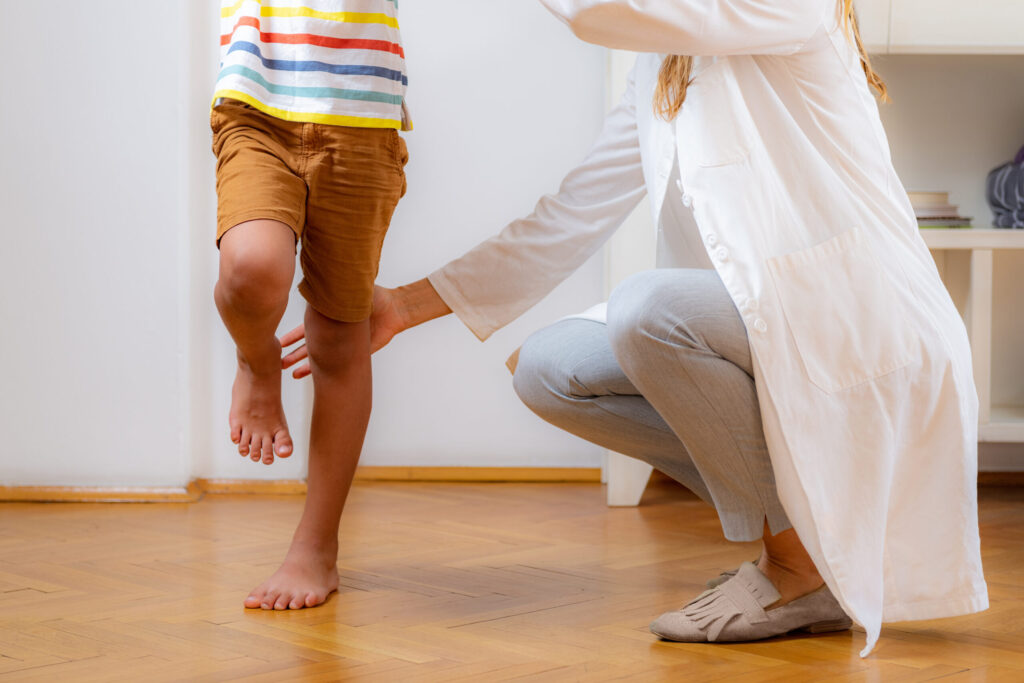
Does your child have trouble staying on their feet? Have you noticed they walk with an unusual pattern? Do they seem clumsier than their peers? While we don’t typically associate gait or balance disorders with children, they can happen! Fortunately, pediatric therapy at Skills on the Hill can help improve your child’s walking patterns and overall balance.
One of the best things about being a kid is having plenty of time to play. Whether swinging from the monkey or tearing through an open field to chase a butterfly, children are usually in a constant flurry of movement. But if your child’s gross motor skills aren’t developing as they should, it can severely limit your child’s ability to participate in playtime.
Balance and gait (your child’s pattern of walking) are two critical gross motor skills. They form the foundation of the movements your child will need to walk, run, jump, skip, dance, and, in short, play. It’s essential to address any impairments in your child’s balance and gait so they can live a full, active life!
The dedicated pediatric therapists at our Washington, DC and Arlington, VA clinic can help identify the source of any balance or gait impairments, then work with you and your child to address them. To get started, schedule an appointment with Skills on the Hill today!
Identifying Gait and Balance Issues in Children
Children move through all kinds of developmental milestones as they grow up. Rolling over for the first time, their first smile, their first word–all are examples of milestones. To learn to walk and run, children move through several developmental stages, hitting various movement milestones along the way:
- At 6-8 months, most children can sit without support
- At around a year old, most children can “cruise” (walk around while holding onto something for support)
- At a year and a half, most children can run stiffly
- By 3 years, most children can walk up steps on their own
- By 5 years, most children can skip
While every child develops differently, these milestones serve as guidelines to help you notice potential impairments in your child. If your child is not meeting developmental milestones, it could be a sign of an underlying condition, such as cerebral palsy or Down’s syndrome–two common sources of balance and gait issues in children.
Even with developmental milestones, however, it can be challenging to identify gait disorders in kids. Because all children are learning to move, they don’t move with the same fluidity as adults, and you may have trouble distinguishing between everyday clumsiness and an actual disorder. Furthermore, children don’t always have the vocabulary to express any movement impairments they’re experiencing.
Fortunately, our experts can help diagnose any potential gait or balance disorders. If your child’s movement patterns don’t seem to follow the developmental milestones, or if they have symptoms such as frequent falls, wide-legged walking stances, or severe clumsiness, make an appointment with us. We can evaluate your child’s symptoms and let you know for sure.
How Pediatric Therapy Will Help Your Child’s Movement
We offer several techniques to help address your child’s balance and gait issues, starting with a comprehensive exam to ensure we fully understand your child’s condition. This allows us to tailor treatment to suit your child’s individual needs.
If your child struggles with balance, we’ll work on dedicated balance training with them. We’ll design a customized program of different balance exercises appropriate for your child’s age and ability levels. As your child moves through the program, we’ll gradually increase the intensity, challenging them to stay on their feet.
For children with gait difficulties, we’ll focus on gait training, which involves addressing any gait abnormalities and working with your child to correct them. Because a child’s gait does not mirror an adult’s, working with one of our pediatric therapists, who can accurately distinguish between typical and problematic gait variations, is essential.
We may also work with your child on general strengthening exercises, especially if they have an underlying condition that decreases muscle tone. Strength and balance go hand in hand, so building strength is important in improving overall balance and stability.
Regardless of how we customize your child’s program, one element will always stay the same: it will be fun! We want pediatric therapy to feel like play, not work, so we design our programs accordingly. For example, a good swinging session can help build core strength, and obstacle courses can improve overall movement.
We’ll also provide you with activities your child can do at home. Yoga, bike riding, and classic childhood games like hopscotch can all help your child develop the motor skills they need to thrive. We always work closely with families and caregivers to ensure therapy continues at home and in the community, not just at our clinic.
Give Your Child a Leg Up in Life: Make Your Appointment Today!
Ensuring your child can live an active life is crucial to their health and well-being. Our Washington, DC and Arlington, VA pediatric therapy clinic provides a warm, joyful atmosphere where your child can work to improve their gait and balance impairments.
Call Skills on the Hill and schedule your initial consultation to get started!