


Tips for a Sensory and Communication-Friendly Halloween: How to Prepare Your Child for Success
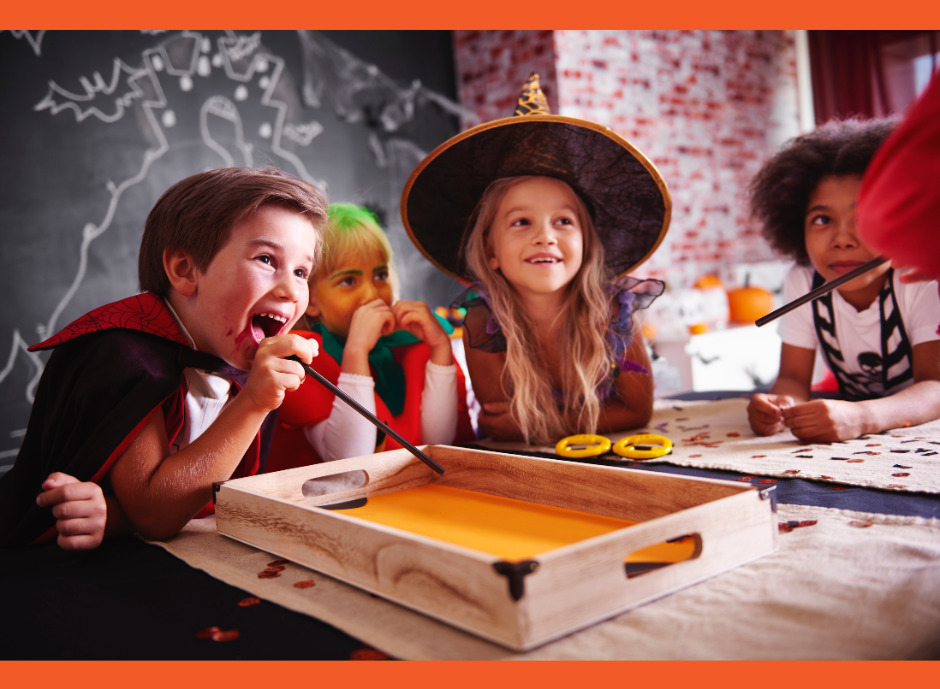
Halloween is a time of fun costumes, decorations, and treats, but for children with sensory and communication challenges, it can be a tricky holiday to navigate. With unfamiliar sights, sounds, and social interactions, the excitement can quickly become overwhelming. By preparing ahead of time, you can help your child feel more comfortable and ensure they enjoy Halloween in their own way.
Here are some tips to make Halloween a sensory and communication-friendly experience for your child.
Tips for Kids with Sensory Challenges:
1. Choose the Right Costume
Costumes can be tricky for kids with sensory sensitivities. Some fabrics may feel itchy, tight, or uncomfortable. Let your child try on several options well in advance so they can get used to how it feels. Look for soft, breathable fabrics without too many seams or tags. If your child doesn’t like the idea of wearing a full costume, consider alternatives like themed t-shirts or pajamas with Halloween prints. Comfort is key!
Tip: Some children may prefer sensory-friendly costumes, such as ones that include weighted elements or soothing fabrics like cotton or fleece.
2. Practice Trick-or-Treating in Advance
Trick-or-treating can be a sensory overload with strangers, unexpected interactions, and various sounds and lights. Preparing your child for what to expect can help ease their anxiety. Practice walking around the neighborhood, ringing the doorbell, and saying “trick or treat” with familiar family members or friends. Repetition can build confidence and reduce anxiety when it’s time for the real event.
3. Create a Sensory-Friendly Trick-or-Treating Plan
Consider your child’s sensory needs when planning how long to trick-or-treat and which houses to visit. Some kids might only want to go to a few houses, while others might need breaks throughout the evening. Talk to your child ahead of time about how many houses they’d like to visit and let them know it’s okay to stop whenever they need a break.
Tip: You can even plan a sensory-friendly trick-or-treating route that avoids houses with intense decorations, loud sounds, or strobe lights.
4. Bring a Sensory Kit
Having a small sensory kit on hand can be a lifesaver during Halloween events. Include items your child finds calming, such as noise-canceling headphones, fidget toys, or even a weighted lap pad if they find it comforting. These tools can help them regulate their sensory input if things become overwhelming.
5. Prepare for Candy Preferences
For children with sensory issues around taste or texture, Halloween candy can be tricky. Some may dislike chewy, sticky, or crunchy textures. Talk to your child about what types of candy they might like, and if trick-or-treating, be prepared to swap out any candy that doesn’t appeal to them. You can also consider offering non-candy alternatives, like stickers, small toys, or sensory-friendly snacks.
Tip: Have a plan in place to trade candy they don’t want for more familiar or preferred treats to avoid any disappointment.
6. Host a Sensory-Friendly Halloween at Home
If traditional trick-or-treating seems too overwhelming, consider hosting a Halloween celebration at home. You can control the environment, allowing your child to participate in the fun at their own pace. Set up different stations around the house where they can “trick or treat,” decorate cookies, or play Halloween-themed sensory activities like digging through a bin of sensory-safe “slime” to find hidden items.
7. Discuss the Plan Ahead of Time
Children with sensory sensitivities often thrive with routine and predictability. Let them know the Halloween plan well in advance so they can mentally prepare. Go over the evening step by step—what costume they’ll wear, how long they’ll be out, and what to expect. Offering a visual schedule can also help them better understand the flow of events.
8. Set Realistic Expectations
Above all, know your child’s limits and respect them. If your child can only handle a few minutes of trick-or-treating or prefers to stay at home, that’s okay. The goal is for them to enjoy Halloween in a way that feels safe and comfortable. Focus on what makes them happy, whether it’s watching a Halloween movie, decorating the house, or enjoying a low-key treat.
Tips for Kids with Communication Challenges:
1. Use Visual Supports and Social Stories
For children with communication difficulties, visual supports can be incredibly helpful in explaining what to expect on Halloween. You can create a social story—a simple narrative that outlines what will happen on Halloween night. Use images or drawings to show them the steps of trick-or-treating, such as getting dressed, visiting houses, saying “trick or treat,” and receiving candy.
Tip: You can find pre-made Halloween social stories online or create a custom one using pictures of your neighborhood and child’s costume.
2. Prepare a “Trick-or-Treat” Card
If your child is nonverbal or has limited verbal communication, consider creating a “trick-or-treat” card that they can hand out at each house. This way, they can still participate in the tradition without the stress of trying to speak. The card can say something like, “Hi, I’m [child’s name]. I’m here for trick-or-treating but may not speak. Thank you for understanding!”
Tip: Decorate the card to make it part of their Halloween experience—it can even match their costume!
3. Practice Key Phrases
If your child is able to speak but feels nervous in social situations, practicing key phrases like “trick or treat” and “thank you” ahead of time can help them feel more prepared. Use role-playing at home, where you pretend to be the person handing out candy. Practicing with family and friends can boost their confidence for the big night.
Tip: Some children may feel more comfortable with simple alternatives to “trick-or-treat,” such as nodding or giving a thumbs up.
4. Plan for Nonverbal Communication
Not every child will be able or willing to say “trick or treat” out loud, and that’s perfectly okay! Let your child know that it’s fine to use nonverbal cues, like pointing to their bag or holding it out for candy. You can also inform neighbors ahead of time if needed, so they know to expect nonverbal communication.
Tip: Use visual aids like a picture of a candy bag or Halloween symbols that your child can point to during interactions.
5. Be Mindful of Social Fatigue
For children with communication challenges, social interactions can be tiring. Trick-or-treating involves engaging with people at each stop, which can lead to fatigue faster than you might expect. Plan breaks throughout the evening, and be prepared to cut the outing short if your child starts to feel overwhelmed.
Tip: You can use a “safe word” or signal to communicate that they need a break or want to go home.
6. Offer Alternatives to Verbal Communication
If your child uses augmentative and alternative communication (AAC) devices or picture boards, make sure these are accessible on Halloween night. Practice using the device to ask for candy or say “thank you” ahead of time so your child feels comfortable during the event. You can also program festive phrases like “Happy Halloween!” into their device for fun.
Tip: Encourage your child to use their device in a way that feels natural for them, and remind others to be patient and supportive.
7. Create a Comfortable Environment for Parties
If your child is attending a Halloween party, consider ways to make the environment communication-friendly. Provide access to their AAC device or communication tools, and help them prepare for the social interactions they might encounter. You can also talk to the host about creating quieter spaces where your child can take breaks if they need to.
Tip: Bringing a familiar toy or object from home can also help ground your child during a busy or noisy event.
8. Give Your Child an “Out” Option
It’s important to give your child the option to leave or take a break if they feel uncomfortable. Prepare a plan ahead of time to offer them a way to communicate when they’ve had enough, whether through a verbal signal, a hand gesture, or their AAC device.
Conclusion
By preparing your child for the sights, sounds, and social interactions of Halloween, you can make this holiday a more enjoyable experience for them. Whether your focus is on managing sensory sensitivities or supporting communication needs, small adjustments and advance preparation can make a world of difference.
At Skills on the Hill, we’re committed to helping families navigate holidays like Halloween with confidence and joy. If you’d like more tips or guidance for your child’s specific needs, don’t hesitate to reach out. We’re here to help you and your child have a happy, comfortable Halloween!
Happy Halloween! 