


Car Seat Safety by Allyson Murphy – Physical Therapist
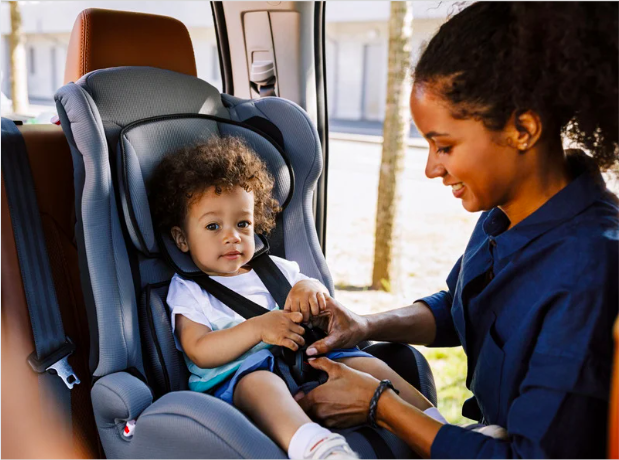
Child passenger safety is a critical concern, particularly when it comes to the proper use of car seats, booster seats, and special needs restraints. Statistics from a 2013-14 hospital observation reveal that 91% of child restraint installations for newborns ready for discharge had one or more serious misuses. Such errors can lead to tragic consequences, as on average, three children are killed and 487 are injured daily in U.S. traffic crashes. Proper use of car seats and booster seats can significantly reduce these risks—by 71% for infants and 54% for toddlers. However, a study found that nearly 46% of car seats and booster seats were misused, increasing the risk of injury or death.
Local Laws and Their Importance
Local laws in Virginia, DC, and Maryland emphasize the importance of rear-facing seats until age two, child restraints until age eight, and backseat riding until age 13. These regulations are designed to protect young passengers as their bodies develop, reducing the likelihood of injury in a crash. For instance, children are more likely to buckle up if adults are also buckled up, with a 92% compliance rate when the driver is buckled.
Understanding Why Car Seats Work
The proper use of car seats is crucial, with different types of seats serving various age groups and needs. Rear-facing seats are recommended until at least age two, with the possibility of remaining rear-facing until age five for added safety. Combination seats offer a transition from forward-facing with a harness to a booster seat. Top tethers provide additional safety by reducing head movement in a crash.
Special Considerations for Special Needs
Children with special needs may require adaptive restraints, which are tailored to their unique medical and developmental conditions. These include car beds for infants who must lie down, adaptive booster seats for those needing extra postural support, and vests for children with severe behavioral challenges. Selecting the appropriate restraint requires a multidisciplinary team, often involving physical and occupational therapists, pediatricians, and social workers.
Key Safety Tips
Parents and caregivers should avoid using aftermarket accessories with car seats, as these can compromise safety. Bulky winter coats should not be worn under harnesses; instead, use light jackets and blankets. Ensuring that medical equipment is secured in the vehicle is also crucial to prevent projectiles during a crash.
Resources for Parents and Caregivers
Organizations like Safe Kids Worldwide provide valuable resources, including brochures tailored to children with specific conditions like Autism, Cerebral Palsy, and Osteogenesis Imperfecta. These resources help guide parents in selecting the right car seat and using it correctly to ensure the safety of their child.
Child passenger safety is a shared responsibility. By understanding and applying these guidelines, we can protect our most vulnerable passengers and reduce the risk of injury or death in traffic crashes.