


The Trouble with Toe Walking
What is Toe Walking?
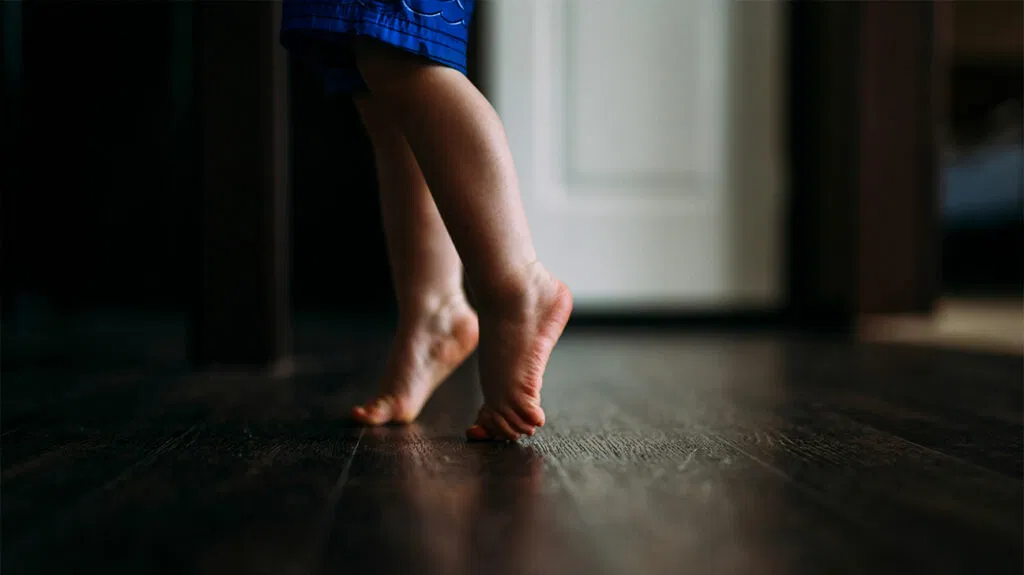
Toe walking is an abnormal walking pattern where the child consistently walks on his or her toes or balls of feet without the heels hitting the floor. It is important to note that toe walking can be considered “normal” before about 2 years as the child is learning to walk, but a mature heel to toe walking pattern should be seen by 2.5-3 years old.

What Are the Causes?
- Habit: Toe walking is a preference that occurs without an identified cause and becomes a habit. This is also referred to as idiopathic toe walking.
- Sensory related: The child seeks input and stimulation that is provided from walking on his or her toes/balls of the feet because the force of impact is greater than walking with heel/flat foot contact. The child may also not like the way a certain surface texture feels when barefoot, and therefore comes up on his or her toes (ex: cold tile floor).
- Decreased core strength and stability: If a child has decreased core strength and stability, they may seek stability in other ways including through the knee and ankle joints by locking out at the knees and walking in a pointed toe position seen in toe walking.
- Underlying neuromuscular or musculoskeletal conditions (less common): Certain conditions may lead to spasticity of muscles or tightened muscles secondary to a specific neuromuscular or musculoskeletal diagnosis.
What is the Problem with Toe Walking?
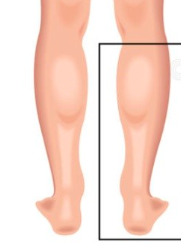
Toe walking can result in tightness of the gastrocnemius muscle, commonly known as the calf muscle. Over time, the length of the muscle shortens, which reinforces the toe walking pattern. When the calf muscle tightens, this can lead to discomfort and can affect the child’s ability to perform age appropriate activities and gross motor skills. Physical therapy treatment may be needed to assist stretching the calf muscle and strengthening the anterior (front shin side) compartment ankle muscles to achieve an improved walking pattern. Other treatment techniques may also be used by other medical professionals including serial casing and orthotics.
Five Fun Ways to Help Decrease Toe Walking:
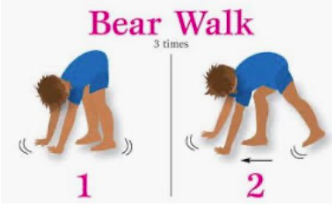
1) Bear walking: The child walks on their hands and feet, like a bear! Have the child push their heels to the floor to maximize the stretch to the calf. This is also a great exercise for improving coordination and strength.
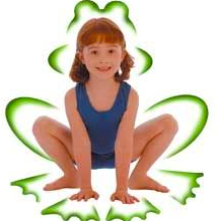
3) Frog jumps: Start with your child standing with legs out and squat down like a frog to put hands to floor and then jump up! Make sure the child keeps his or her heels down in the squat to maximize the calf stretch. If the frog jump is too difficult, have the child hold in frog position using support if needed.
4) Pillow work: The child begins by standing on a pillow, then squats down slowly to pick up items (ex: puzzle pieces). The way the ankles work to keep balance when standing/squatting on a pillow provides a stretch through the ankle joint. The child is also working the muscles on the bottom of the feet in this activity.
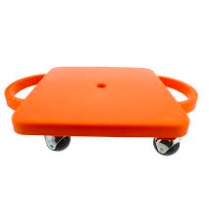
5) Scooter work: Your child sits on a scooter board and pulls self forward using their heels to activate and strengthen anterior ankle muscles. This activity provides weight bearing through the heels and also provides core strengthening as the core has to work to maintain balance.
Please contact us for further information on how we can help!