

Effective Pediatric Speech Therapy Techniques for Young Learners
Strong communication is key to learning, making friends, and moving through life. However, speech and language challenges can make these everyday activities frustrating for many children. That’s where speech therapy at Skills on the Hill Pediatric Therapy can make a life-changing difference. We offer several pediatric speech therapy techniques that can help young learners thrive at home, in the classroom, and in social settings.
Why Speech Therapy Matters: Building Strong Foundations for Learning and Growth
Early speech and language development affects nearly every area of a child’s life. When children struggle to express themselves or understand others, it can lead to frustration, behavioral challenges, and setbacks in school. Pediatric speech therapy techniques provide kids with the tools they need to connect with the world around them.

Four Ways Speech Therapy Benefits Kids
Boosts Communication Skills
Children learn to pronounce words correctly, express thoughts clearly, and follow directions more easily.
Improves Social Interactions
With better speech and language skills, kids are more confident engaging with peers and adults.
Supports Academic Success
Reading, writing, and classroom participation all depend on strong language foundations.
Reduces Emotional Frustration
Children who can communicate their needs feel more secure and experience fewer behavior outbursts.
Top Speech Therapy Techniques That Help Kids Thrive
Speech therapy isn’t one-size-fits-all. Each child’s needs are unique, and our speech-language pathologists (SLPs) use a variety of approaches tailored to support specific goals, such as the following:
- Play-Based Therapy: Making Speech Fun and Natural: Children learn best through play. Our SLPs use toys, games, and pretend play to build vocabulary, sentence structure, and conversation skills in a fun, relaxed way. This approach:
- Encourages natural speech during play
- Builds trust and keeps young learners engaged
- Helps reinforce language in real-world scenarios
- Visual Supports: Aiding Understanding and Expression: We recognize that speech isn’t the only way to communicate with the world. Visual aids like pictures, symbols, and gesture cues can support children who struggle with verbal communication. We take this approach because it:
- Enhances understanding for kids with language delays
- Offers alternative ways to communicate
- Improves sentence structure and storytelling skills
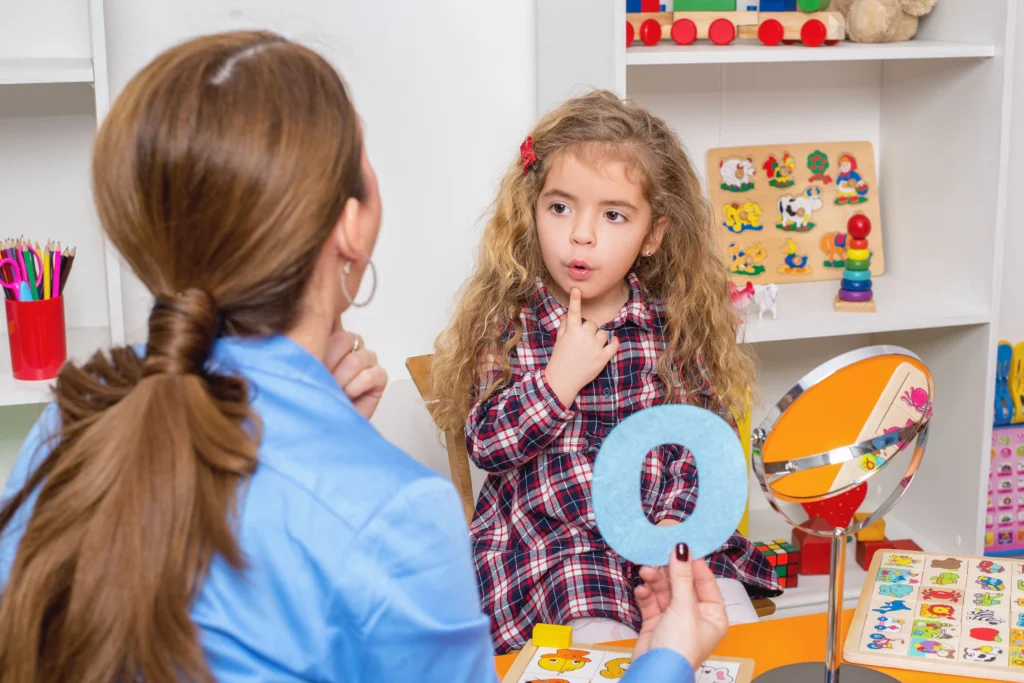
- Articulation Therapy: Improving Pronunciation: This technique focuses on helping children pronounce specific sounds more clearly, helping to:
- Isolate and practice tricky sounds
- Reinforce mouth movements and sound placement
- Boost clarity and confidence when speaking
- Language Expansion: Building on What Kids Say: Our SLPs repeat and expand on what a child says to model more complex sentences. This approach:
- Encourages longer and more descriptive speech
- Naturally teaches grammar and sentence structure
- Helps children move from simple to more advanced language
- Auditory Processing Activities: Strengthening Listening Skills: Some children have difficulty understanding spoken language. These activities help improve how the brain processes sounds, resulting in:
- Better classroom listening
- Improvements in following directions and recalling information
- A stronger foundation for reading and comprehension
All these pediatric speech therapy techniques are research-based and customized for each child’s developmental level and learning style.
Ready to Help Your Child Communicate with Confidence?
Speech therapy can unlock a child’s potential, and the right techniques can make all the difference. Whether your child struggles with pronunciation, understanding directions, or expressing thoughts clearly, the Skills on the Hill team offers the support they need to thrive. Our approach to speech therapy is playful, engaging, and effective. We work with young learners and their families to build communication skills that support success in school and beyond. To learn more about our speech therapy services, schedule an appointment at our clinic today. We’re here to help your child grow with confidence.
Back-to-School Prep:
How Therapy Supports a Smooth Transition
As summer comes to a close, many families are preparing for the new school year. Shopping for supplies, adjusting sleep routines, and organizing schedules. But for children with developmental, sensory, or learning challenges, the back-to-school transition can bring added stress. Pediatric therapy can help smooth that transition and set the stage for a successful academic year.
At Skills on the Hill, our team of occupational, physical, and speech therapists works with children to build confidence and independence in the classroom. Therapy can address foundational skills like handwriting, attention, sensory regulation, and communication, all of which contribute to learning and classroom participation.
Physical therapy (PT) plays a vital role in helping children strengthen gross motor skills like walking, jumping, balance, and coordination – skills that support safe and active participation in school routines such as navigating hallways, climbing stairs, carrying backpacks, or playing during recess and P.E.
A key area of focus during this time of year is executive functioning, which includes the brain-based skills needed to plan, focus, remember instructions, manage time, and juggle multiple tasks. Through our Executive Functioning Support Program, our occupational therapists help children improve their ability to follow routines, complete homework independently, manage transitions, and stay organized throughout the school day. These skills are essential for students who may struggle with focus, flexibility, or emotional regulation.
Physical therapists can also support children who experience fatigue, poor posture, or difficulty with endurance during the school day – factors that may impact their focus and participation. A personalized PT plan can improve stamina and body awareness to help your child stay comfortable and engaged in the classroom.
With targeted support and strategies tailored to your child’s unique needs, therapy can reduce frustration and boost confidence. When children feel more prepared and capable, they’re better able to engage with their peers, follow classroom expectations, and thrive throughout the school year.

If your child could benefit from extra support before heading back to school, now is a great time to get started. Contact us today to learn how we can help your child transition smoothly and confidently into the new academic year!
Meet Our Team



































Recipe of the Month: Watermelon Pizza
When it comes to healthy meals for picky eaters, dessert doesn’t have to be off the table! This Watermelon Pizza is a colorful, fun, and festive treat that’s become a huge hit with our subscribers’ kids—and for good reason. It’s 100% fruit-based, easy for little hands to help assemble, and just as fun to make as it is to eat. Whether you’re sneaking more fruit into their day or planning a playful summer snack, this recipe delivers smiles with every slice!

Ingredients:
- 1 small seedless watermelon
- 1 pint strawberries
- 1 pint blueberries
- 1 can full fat coconut milk
- 1-2 tbsp pure maple syrup (optional)
- 1 tsp vanilla
- 1 bunch mint
Instructions:
- Cut watermelon into circles or wedges for dessert.
- For strawberries, cut off green tops and slice into thin slices.
- In a large bowl combine coconut cream (discard liquid or save for a smoothie) + 1 tsp vanilla + 1- 2 tbsp maple syrup (optional).
- Use a hand mixer and beat mixture for 1-2 mins until desired texture.
- Lay watermelon slices on plate & layer w/ whipped cream, strawberries, blueberries and mint (can tear mint or chop).
Recent Newsletters




You have more options than ever for empowering your child. Subscribe today for free healthy tips and exclusive offers twice a month!