



Groups & Summer Programs at Skills on the Hill
Skills on the Hill Pediatric Therapy is excited to offer specialized group programs and summer camps designed to help children build essential skills in a fun, supportive environment. From literacy support to social skills development, our programs provide structured learning opportunities that promote growth and confidence.
EXERSHINEkids POWER Bootcamp Program
Ages: 8-12 year olds
When: THURSDAYS 5:15 to 6:00pm – 1/29 to 4/2 (10 weeks)
Location: SOTH VA Office
Cost: $600 for 10 sessions/child
Instructors: Miss Alaina
- Strengthening exercises
- Self regulation strategies
- Group challenges & circuit training
- Social skills
Book Buddies: Kindergarten & 1st Grade Literacy Support Group
When: WEDNESDAYS 5:00 TO 6:00pm – 3/4–4/1 (5 weeks)
Location: SOTH VA Office
Cost: $350 for 5 sessions/child
Leader: Miss Kaitlyn
- Rhyming, syllables, and sound blending
- Story comprehension, sequencing, and retelling
- Vocabulary and expressive language
- Early writing and fine motor skills
- Multi-sensory, structured approaches (Orton-Gillingham, LiPS, IPA)
Summer Groups @SOTH
Program Dates: 6/22 – 8/21, Monday-Friday 9am-1pm
Age Groups Available:
- Early Learners: ages 3-5
- Social Explorers: 1st–3rd grade, 3rd–5th grade & Preteen/Middle School
- Ready-Set-Thrive: Teens/high school
Pricing:
- $900 for one week only
- $875 per week for 2–4 weeks
- $850 per week for 5 or more weeks
HSCSN Stipend can be applied – contact us for more info
*NOT BILLABLE TO INSURANCE*
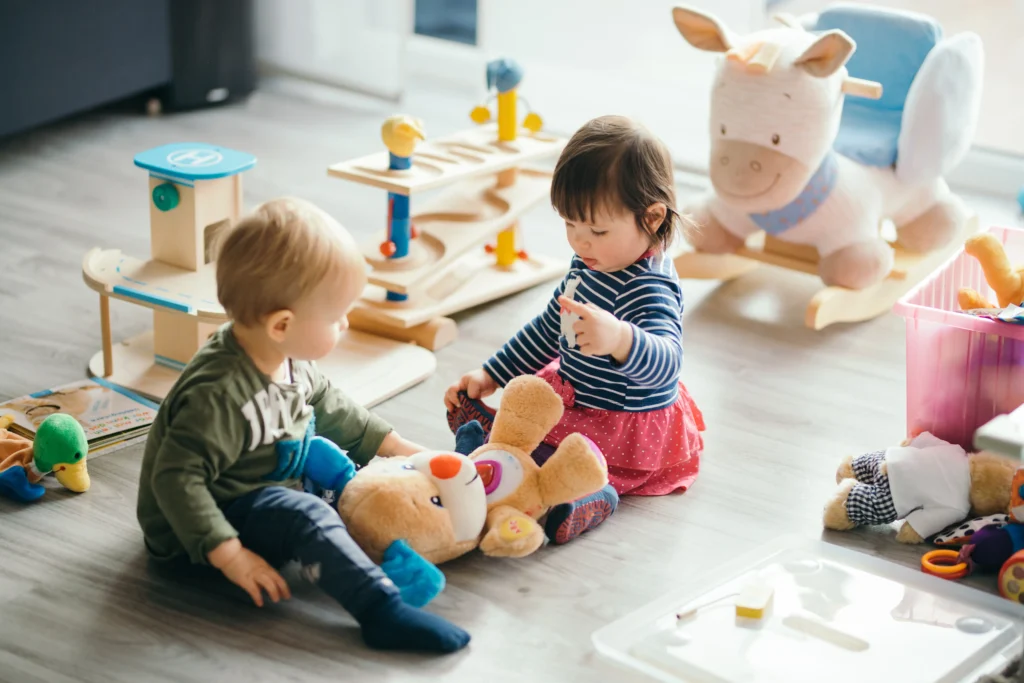
Who Does What in Pediatric Therapy?
A Quick Guide to Three Important Fields of Care
When parents bring their kids in for pediatric therapy, many are surprised to learn that it doesn’t encompass one field, but three! That surprise can quickly turn to confusion, though, as they may start to wonder whether their child needs physical, occupational, or speech therapy.
We get it. These services often overlap, and many children benefit from more than one. The good news: each discipline at Skills on the Hill Pediatric Therapy plays a unique role, and together, they support your child’s growth, confidence, and daily success.
Happy Occupational Therapy Month!
April is Occupational Therapy Month, and we’re excited to celebrate the incredible impact OT has on the children and families we serve at Skills on the Hill Pediatric Therapy!
Occupational therapy helps kids build the skills they need for everyday life, whether that’s improving fine motor abilities for writing and play, developing sensory processing skills, or gaining independence with daily routines like dressing and feeding. Our OTs work closely with each child to meet them where they are and help them grow with confidence.
This month, we want to give a big thank you to our dedicated occupational therapists for their creativity, compassion, and commitment to helping every child thrive. Their work truly makes a difference in helping kids gain independence and reach their full potential.
Physical Therapy (PT): Building Strength and Movement
Physical therapists focus on how your child moves, balances, and builds strength, with the ultimate goal of helping kids participate more fully in play, school, and everyday activities. For example, we might have a child run through an obstacle course to improve coordination and confidence.
What Can PT Help With?
- Delayed motor milestones, such as rolling, sitting, or walking
- Poor balance or coordination
- Muscle weakness or low endurance
- Toe walking or other unusual walking patterns
What Do Kids Do During PT?
Task-Specific Practice
Repeating real-life movements like climbing stairs or jumping
Strength Training
Using body weight, resistance, or play-based challenges
Balance Training
Activities on unstable surfaces to improve stability
Motor Learning Principles
Practicing skills in different environments to improve carryover
Occupational Therapy (OT): Supporting Daily Skills
Occupational therapists focus on how your child functions in daily life, including self-care, play, school tasks, and sensory processing. Where physical therapy focuses on foundational strength and movements, OT focuses on helping kids perform everyday activities with more ease and confidence.
For instance, we might use guided sensory experiences to help a child gradually build tolerance to clothing textures.
What Can OT Help With?
- Fine motor skills, such as writing, cutting, or buttoning
- Sensory processing challenges
- Difficulty with attention or organization
- Feeding challenges or picky eating
- Independence with dressing, grooming, and routines
What Do Kids Do During OT?
Fine Motor Training
Strengthening hand muscles and coordination for tasks like handwriting
Sensory Integration Strategies
Structured activities that help the brain process sensory input more effectively
Environmental Adaptations
Changing tools or routines, such as using pencil grips or visual schedules
Motor Planning Activities
Helping children learn how to plan and sequence movements
Speech Therapy (SLP): Communication and Feeding Skills
Our speech-language pathologists help support skills related to communication, language comprehension, and even safe eating. For example, a therapist may model short phrases during play to help a child build language naturally.
What Can SLP Help With?
- Speech clarity
- Language delays
- Social communication, such as turn-taking or other conversation skills
- Feeding and swallowing challenges
- Oral motor control, which involves the muscles used for speech and eating
What Do Kids Do During SLP?
Language Interventions
Expanding vocabulary and sentence structure through play and interaction
Articulation Therapy
Practicing specific sounds with cues and repetition
Alternative and Augmentative Communication (AAC)
Tools like picture boards or devices to support communication
Feeding Therapy
Gradual exposure to new foods and improving chewing or swallowing skills

How These Therapies Work Together at Skills on the Hill Pediatric Therapy
Children don’t develop skills in isolation. Movement, communication, and daily function are closely connected, which is why our clinicians work together to ensure kids get the care they need. We share goals across the three disciplines and use similar strategies to promote consistency.
For example:
- Speech therapy can support following directions, which helps with motor tasks in PT and daily routines in OT
- A child working on core strength in PT can better sit more upright, which supports hand use in OT and breath control for speech
- Sensory strategies in OT can improve attention and regulation, making it easier to participate in PT or SLP sessions
Ready to Help Your Child Thrive? Let’s Take the First Step Together
At Skills on the Hill Pediatric Therapy, our team works together to support the whole child through play, connection, and meaningful progress. If you’re unsure which therapy your child may need, you don’t have to figure it out alone. A comprehensive evaluation can identify strengths, challenges, and the best plan moving forward. Reach out today to schedule an evaluation and learn more about how all three areas of pediatric therapy can benefit your child.

Why Consistency Matters in Pediatric Therapy
A single great session at the Skills on the Hill Pediatric Therapy clinic can be empowering, but what actually encourages progress is steady, repeated practice over time. Staying consistent with therapy helps build skills that stick, leading to better participation at home, school, and in the community.
Why Consistency Makes a Difference
Children learn through repetition. The brain strengthens connections when skills are practiced regularly, a process known as neuroplasticity. In pediatric therapy, this shows up in several ways:
- Motor Learning: Repeating movements helps improve strength, coordination, and balance
- Skill Carryover: Practicing across settings helps children use skills outside of therapy
- Behavior and Routines: Consistency supports attention, regulation, and independence
- Communication Growth: Frequent language exposure improves understanding and expression
For example, a child working on balance in physical therapy benefits from practicing those same movements at home. A child learning new words in speech therapy progresses faster when they use those words in daily conversations.
Three Simple Tips to Stay Consistent
- Build therapy into daily routines. Short practice sessions work well. Try 5–10 minutes during playtime, meals, or bedtime routines.
- Use your home program. Therapists provide targeted activities based on your child’s goals. These exercises are specific and effective when done regularly.
- Keep communication open. Ask your therapist for updates, modifications, or new ideas. Small adjustments can keep your child engaged and progressing.
Small Steps Add Up
Consistency helps children gain skills, confidence, and independence over time. Each small effort builds toward meaningful change. If you’re looking for support in creating a routine that works for your family, connect with the team at Skills on the Hill Pediatric Therapy today! We’ll show you how to make therapy strategies part of your child’s everyday life.
Meet Our Team

Allison D.
Occupational Therapist

Camille M.
Occupational Therapist

Check Out our Storefront on Amazon!
At Skills on the Hill, we know that the right toys can make playtime both fun and developmentally meaningful for kids. That’s why we curated a special Amazon storefront full of therapist-recommended toys designed to support skills like fine motor development, cooperative play, language building, and more.
Featured Toy: Kinetic Sand, Construction Site Folding Sandbox

Have endless construction fun with the Kinetic Sand Construction Site! This folding sandbox playset includes everything you need to create your own construction site: 2lbs of brown Kinetic Sand, a dump truck with brick molds in the back, and a working crane with wrecking ball and bucket attachments! Open up the sandbox to reveal a contained construction-themed play space and get to work! Dig Kinetic Sand with the crane’s bucket, mold bricks in the dump truck, build brick walls and demolish them with the wrecking ball! Squish your crushed wall, let the Kinetic Sand flow through your hands and rebuild your construction site again and again. Fold up the Construction Site when you’re finished playing or take it with you on the go. Dig, build and crush with the Kinetic Sand Construction Site!
Recipe of the Month: Mini Fiesta Taco Cups

Ingredients:
- 1 package small tortilla rounds (or cut regular tortillas into circles)
- 1 cup cooked ground beef or shredded chicken (optional for picky eaters)
- ½ packet taco seasoning
- 1 cup shredded cheese
- Diced tomatoes
- Shredded lettuce
- Corn
- Black beans
- Sour cream
- Salsa (mild)
Instructions:
- Make taco cups: Press tortilla circles into a muffin tin to form little cups.
- Fill them up: Add a spoonful of seasoned meat (or beans), then sprinkle cheese on top.
- Bake: Bake at 375°F for about 10 minutes, until crispy and melty.
- Decorate fiesta-style: Let kids add their favorite toppings—make it colorful like a party!
Recent Newsletters




You have more options than ever for empowering your child. Subscribe today for free healthy tips and exclusive offers twice a month!