


Early Signs of Sensory Issues in Children
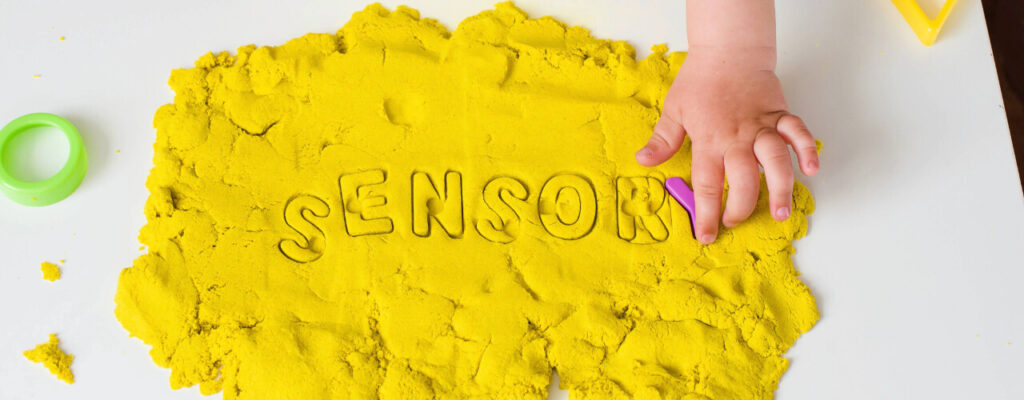
If You Detect Signs of Sensory Issues In Your Child, Don’t Hesitate To Seek Help. Early Intervention Is Key To Long-Term Wellbeing
Do loud noises make your toddler cry? Is your preschooler overly picky about the textures of their clothes? Does your child seem clumsy or uncoordinated compared to their peers? These could be signs of sensory issues, a common challenge that affects how children process information from their senses.
In this blog post, we’ll talk about some of the causes, risk factors, and early warning signs of common sensory issues in children.
Learn To Detect The Signs Of Sensory Issues In Children
Signs of sensory issues, also known as sensory processing disorder (SPD), occur when the brain struggles to interpret and respond to sensory input. This input comes from our five senses—sight, sound, taste, touch, and smell—as well as the sensations involved with movement (vestibular) and body awareness Skills on the Hill.
For some children, ordinary sensations like the tag on a shirt or the sound of a vacuum cleaner can feel overwhelming. For others, they may crave intense sensory experiences, like spinning in circles or jumping off furniture. The signs of sensory issues can vary widely from child to child. The exact cause of sensory issues is unknown, but several factors may contribute:
Genetics
- There may be a hereditary component to sensory processing difficulties.
Premature Birth
- Premature babies are at a higher risk of developing sensory issues.
Environmental Factors
- Exposure to toxins or lack of sensory stimulation in early childhood may play a role.
It’s important to know what to look out for when you suspect your child may have sensory issues. Common signs include:
Over- or Under-Sensitivity to Sensory Input
- This is one of the most common signs of sensory issues. A child might cover their ears at normal sounds, refuse to wear certain fabrics, or seem oblivious to pain.
Difficulty with Motor Skills
- Clumsiness, poor coordination, and challenges with activities like handwriting or riding a bike can be linked to sensory processing difficulties.
Picky Eating Habits
- Children with sensory issues may have strong food aversions due to sensitivities to taste, texture, or smell.
Trouble with Transitions and Changes in Routine
- A sudden change in plans can trigger meltdowns or tantrums in children with sensory issues.
Difficulty with Social Interaction
- Sensory sensitivities can make it hard for children to interpret social cues and engage with others.
Extreme Emotional Reactions
- Children with sensory issues may have frequent meltdowns, tantrums, or outbursts that seem out of proportion to the situation.
Help From Skills on the Hill Once You Notice Signs Of Sensory Issues In Your Child
Our pediatric physical therapists are specially trained to assess and treat sensory processing difficulties. We specialize in designing personalized interventions to help your child:
- Improve motor skills and coordination
- Develop strategies for managing sensory sensitivities
- Enhance social interaction skills
- Gain confidence and independence
The first appointment with one of our pediatric therapists will involve a comprehensive evaluation. Your therapist will observe your child’s play and engage in activities to understand how your child communicates and reacts to certain sensory environments. We’ll then create a customized treatment plan tailored to your child’s unique needs to help them achieve long-term success.
Early intervention is critical for children who have begun showing signs of sensory issues. By getting the right support, your child can learn to manage their sensitivities and thrive. If you suspect your child may have sensory issues, schedule an appointment with our experienced pediatric physical therapists today. We’re here to help your child reach their full potential.