




Why Does My Child Melt Down Over Socks, Sounds, or Sticky Fingers?
Does your child ever complain that the tag in their shirt feels unbearable? Have you ever noticed that the sound of the blender sends them running from the kitchen? Or maybe you’ve walked in on them spinning in wild circles.
To an adult, behavior like this can feel baffling – and maybe a little concerning. But in many cases, it comes down to sensory processing. And improving sensory processing skills is something the team at Skills on the Hill Pediatric Therapy can help with.
What Is Sensory Processing?
Every second, the brain takes in sensory information from the body and the environment. We usually associate this with the five senses, but there are also internal senses that matter just as much:
- Proprioception, which is your body’s awareness of itself in space without visual input
- Vestibular sense, which involves balance and movement
- Interoception, which involves internal signals like hunger, thirst, or needing the bathroom
Sensory processing refers to how the brain receives, organizes, and responds to this input. For most people, this process happens automatically.
But for some children, the brain struggles to sort and respond to sensory input. That’s where challenges can start to arise. Kids might struggle at school or with their peers, which can dramatically affect confidence.
However, it isn’t that something is “wrong” with these kids. Their nervous system simply processes input differently, so they react to everyday stimuli in ways that can be surprising to others.
Three Types of Sensory Processing Challenges
Over-Responsive
When a child is over-responsive, ordinary sensory input becomes overwhelming. They may:
- Cover their ears to block everyday sounds
- Avoid certain fabrics or food textures
- Melt down in busy places
- Refuse toothbrushing or haircuts

Under-Responsive
Children who are under response need stronger input to register everyday sensations. They might:
- Seem unaware of pain
- Not noticing when their name is called
- Appear distracted or off in their own world
Sensory-Seeking
When kids are sensory-seeking, they crave intense input to feel regulated. You might notice them:
- Crashing into furniture
- Jumping constantly
- Chewing on clothing
- Spinning frequently
Managing Sensory Processing Differences at Skills on the Hill Pediatric Therapy
If your child struggles with sensory processing, our team is here to help! We offer several approaches to help your kids better organize and respond to sensory input – a process known as sensory integration.
Play-Based Occupational Therapy
Occupational therapy is a cornerstone of managing sensory processing difficulties, and kids make the most progress when therapy is fun, active, and tailored to their needs. Our therapists encourage sensory integration through movement, climbing, swinging, and hands-on play. We carefully adjust each activity so your child feels challenged but safe. Over time, their brain learns to respond to sounds, textures, and movement with more ease.
Calming the Body with Heavy Work
Deep pressure and muscle-based activities can help a child’s body feel more organized and calm. We use pushing, pulling, carrying, and obstacle courses to give the nervous system the input it craves. These activities can improve focus for kids who seem constantly in motion and reduce overwhelm for those who are easily overstimulated. We also show families simple ways to use these strategies at home.
Making Everyday Spaces Feel Safer
Small changes can make a big difference. Together, we identify sensory triggers and suggest practical supports like visual schedules, quiet corners, or adjustments to clothing and routines. When children feel more comfortable in their environment, their behavior often improves naturally. Our team also partners with families and schools so that support carries beyond the therapy room.
Building Self-Regulation Skills
Children can learn to understand their bodies and respond to what they need. We teach simple tools like breathing strategies, movement breaks, and recognizing early signs of frustration. As kids grow more aware of their internal cues — such as hunger, fatigue, or rising stress — they gain lasting skills they can use anywhere.
When the Body Doesn’t Know What to Do:
Sensory Processing and Praxis
You may have noticed that some children seem to struggle not just with how things feel, but with figuring out what to do with their bodies. They might have trouble learning a new playground game, struggle to copy movements in gym class, or seem clumsy in ways that go beyond just being uncoordinated.
This connects to a concept called praxis – the brain’s ability to plan, sequence, and carry out unfamiliar physical actions. Praxis is deeply tied to sensory processing. The brain relies on accurate sensory feedback – especially from the proprioceptive and tactile systems – to figure out where the body is, how it’s moving, and how to coordinate the steps needed to complete a new task.
When sensory processing is off, praxis can be too. A child might know what they want their body to do, but struggle to make it happen smoothly or efficiently. This can show up as:
- Difficulty learning new motor skills (like how to use scissors, ride a bike, or tie shoes)
- Appearing “clumsy” or bumping into things frequently
- Needing many more repetitions than peers to master a physical task
- Frustration with activities that look simple to others
- Avoiding new physical activities altogether
The good news? Praxis responds well to intervention. Occupational therapists at Skills on the Hill work to strengthen the sensory foundations that make motor planning possible – so kids can move through the world with more confidence, coordination, and ease.
Ready to Take the Next Step?
Sensory differences are more common than you might expect. They’re also treatable. With the right support, children can build tolerance, confidence, and independence.
If you’re curious whether sensory processing challenges may be affecting your child, we’re here to talk. Reach out to Skills on the Hill Pediatric Therapy today to schedule an evaluation or learn more about our programs. Let’s help your child climb toward their fullest potential, one step at a time.

Building Strong Communication Skills Through Everyday Play
When it comes to building communication skills, children don’t need flashcards or long practice sessions. In fact, simple moments like bath time and meals offer some of the best opportunities for kids to work on their speech, language, and social development skills.
How to Make the Most of Small Moments
Bath Time: Turn Talk into Play
- Narrate Actions: Use clear, simple language to build your child’s vocabulary. For example, you might say, “The soap smells like flowers,” or “The water is warm.”
- Pause and Wait: After asking a question, give your child time to respond. This helps boost expressive language skills.
- Practice Following Directions: Give your child two-step directions to strengthen listening and comprehension skills.
Mealtime: Build Language Through Routine
- Offer Choices Choices (“Do you want apples or yogurt?”) encourage verbal responses.
- Model Longer Phrases: If your child says “juice,” respond with “More juice, please.” This will help them naturally expand their sentence length.
- Encourage Turn-Taking: A simple back-and-forth conversation builds social communication skills.
Playtime: Follow Their Lead
- Join Their Activity: Child-led play is a strong language builder, so let your child take charge during playtime.
- Create Playful Problems: Create a situation that will encourage your child to ask for help, such as holding a toy back or pausing a wind-up toy. This builds functional communication skills.
Helping Your Child Be Heard
At Skills on the Hill Pediatric Therapy, our speech-language therapists help families turn daily routines into skill-building moments. If you have concerns about your child’s communication, reach out to schedule an evaluation. Small changes today can lead to meaningful progress tomorrow.
Groups & Summer Programs at Skills on the Hill
Skills on the Hill Pediatric Therapy is excited to offer specialized group programs and summer camps designed to help children build essential skills in a fun, supportive environment. From literacy support to social skills development, our programs provide structured learning opportunities that promote growth and confidence.
EXERSHINEkids POWER Bootcamp Program
Ages: 8-12 year olds
When: THURSDAYS 5:15 to 6:00pm – 1/29 to 4/2 (10 weeks)
Location: SOTH VA Office
Cost: $600 for 10 sessions/child
Instructors: Miss Alaina
- Strengthening exercises
- Self regulation strategies
- Group challenges & circuit training
- Social skills
Book Buddies: Kindergarten & 1st Grade Literacy Support Group
When: WEDNESDAYS 5:00 TO 6:00pm – 3/4–4/1 (5 weeks)
Location: SOTH VA Office
Cost: $350 for 5 sessions/child
Leader: Miss Kaitlyn
- Rhyming, syllables, and sound blending
- Story comprehension, sequencing, and retelling
- Vocabulary and expressive language
- Early writing and fine motor skills
- Multi-sensory, structured approaches (Orton-Gillingham, LiPS, IPA)
Summer Groups @SOTH
Program Dates: 6/22 – 8/21, Monday-Friday 9am-1pm
Age Groups Available:
- Early Learners: ages 3-5
- Social Explorers: 1st–3rd grade, 3rd–5th grade & Preteen/Middle School
- Ready-Set-Thrive: Teens/high school
Pricing:
- $900 for one week only
- $875 per week for 2–4 weeks
- $850 per week for 5 or more weeks
HSCSN Stipend can be applied – contact us for more info
*NOT BILLABLE TO INSURANCE*
Meet Our Team

Allison D.
Occupational Therapist

Camille M.
Occupational Therapist


Check Out our Storefront on Amazon!
At Skills on the Hill, we know that the right toys can make playtime both fun and developmentally meaningful for kids. That’s why we curated a special Amazon storefront full of therapist-recommended toys designed to support skills like fine motor development, cooperative play, language building, and more.
Featured Toy: Matching Eggs Easter Egg Toy for Toddlers

This cheerful picnic-themed activity set is a joy for preschoolers and toddlers alike. Little learners can uncover colorful food surprises hidden inside numbered picnic baskets, then sort and count them – making this playful set excellent for building color recognition, number skills, sorting strategies, and fine motor coordination.
Recipe of the Month: Pink Bunny Smoothie Bowls
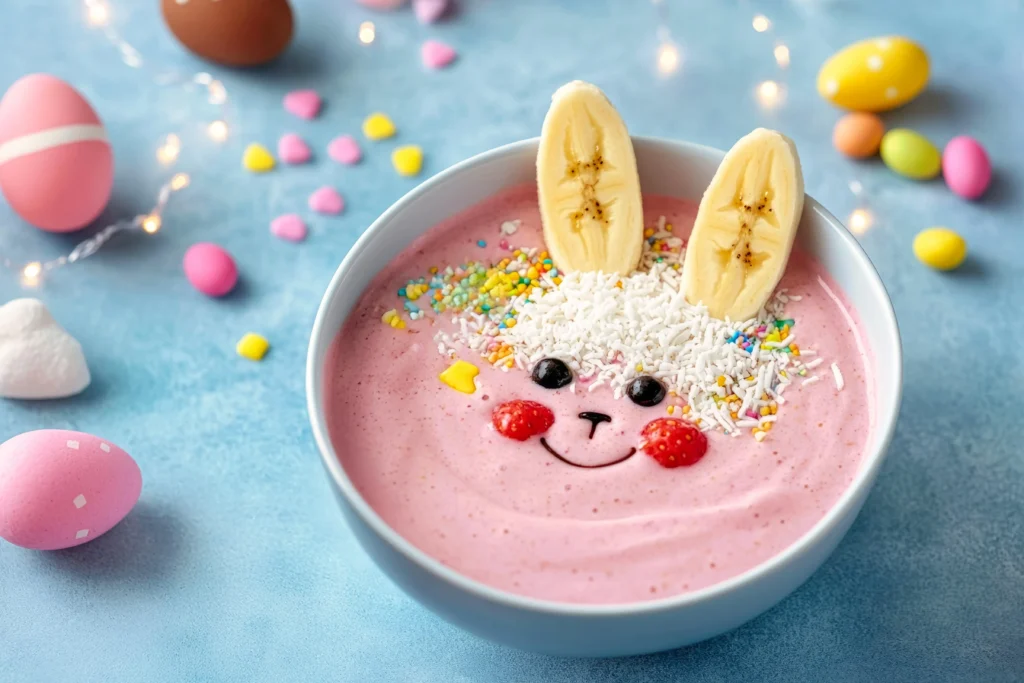
Ingredients:
- ½ frozen banana
- 1 cup frozen strawberries
- ¼–½ cup frozen cauliflower rice
- ½ cup plain Greek yogurt or dairy-free yogurt
- ¼ cup milk (any kind)
- ½ tsp vanilla extract
- Optional: honey or maple syrup, to taste
Instructions:
- Add the frozen banana, frozen strawberries, cauliflower rice, yogurt, milk, and vanilla extract to a high-speed blender.
- Blend until completely smooth and thick.
- Taste and add honey or maple syrup if you’d like a little extra sweetness.
- Spoon the thick smoothie into a bowl.
- Add your favorite toppings and enjoy!
Topping Ideas
- Fresh strawberries or other berries
- Granola
- Coconut flakes
- Chia seeds
- Banana slices
Tip: Arrange toppings to make a cute bunny face for a fun presentation kids will love!
Recent Newsletters




You have more options than ever for empowering your child. Subscribe today for free healthy tips and exclusive offers twice a month!